
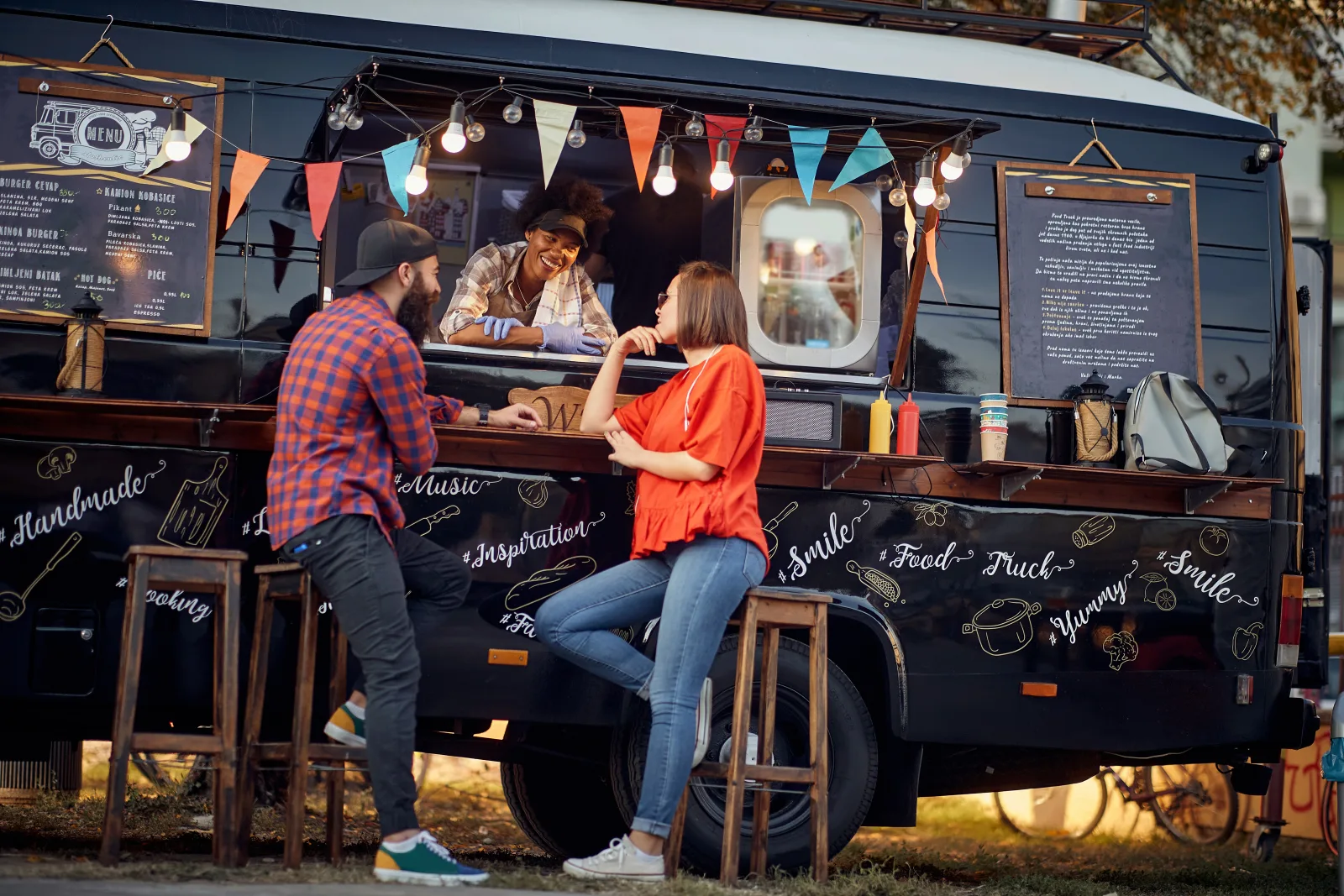

Starting a food truck costs roughly $50,000 to $175,000, with a typical mid-range setup landing between $80,000 and $130,000. The truck is the swing factor: a used one runs about $20,000 to $70,000, while a new custom build runs well into six figures. Add $2,500 to $6,000 for a wrap and $500 to $5,000 or more for permits — and check your city, because permit costs are the least predictable line in the whole budget.
The short answer
Plan on $50,000 to $175,000. If you want a single working number for a serviceable, non-custom setup, $80,000 to $130,000 is the realistic middle.
The bottom of that range assumes a used truck in good condition. The top assumes a new build to your specification.
The truck itself
Used trucks run roughly $20,000 to $70,000 depending on condition and how much kitchen is already installed. Well-maintained trucks under five years old with low mileage typically sit at $30,000 to $70,000.
A new custom build costs more and solves a specific problem: you get the layout, the power and the equipment you actually want, permitted to current standards, with a warranty. Whether that is worth the premium depends on how unusual your menu is.
What to inspect before you buy a used truck
You are buying two things and both can be expensive. The vehicle — engine, transmission, brakes, tires, frame — and the kitchen — hood, suppression, generator, propane, refrigeration, water and waste tanks.
The generator and the suppression system are the two that most often turn a bargain into a project. Have both looked at by someone who services them for a living.
The wrap
A full wrap generally runs $2,500 to $6,000. A 14 to 16 foot truck typically runs $3,500 to $5,500; a 22 footer or a trailer runs $5,500 to $8,500. A partial wrap — logo and name over a painted base — runs $1,500 to $3,000.
The wrap is marketing that is also your building. It is one of the few opening expenses with a direct and visible return, and a partial wrap now with a full wrap later is a perfectly sound plan.
Permits, and why your city decides your budget
Budget $500 to $5,000 or more for initial permits and licenses. Then check your specific city, because the spread is extraordinary: annual permit costs run from around $590 in Indianapolis to $17,000 or more in Boston. Excluding Boston, the average across the other top nineteen food truck cities is about $1,864.
If you plan to work across city lines, you may need permits in each of them. That is a recurring cost and a scheduling constraint, not a one-time hurdle.
The commissary
Most jurisdictions require a licensed commissary for prep, potable water, waste disposal and overnight storage, and many health departments will not issue a mobile permit without an agreement on file. Budget $300 to $1,200 a month.
Find the commissary before you finalize the truck. Some have equipment you then do not need to buy, and some have restrictions that change what you can prep on board.
Equipment, power and propane
The cooking line, refrigeration, the generator and the propane system are specified together or they fight each other. Undersized power is the most common regret in a used truck, because every future equipment upgrade runs into it.
Propane and generator placement are also inspection items. A layout that works for the cook is not automatically a layout that passes.
Point of sale, payments and connectivity
Card processing on a truck depends on connectivity that is not always there. A point of sale with genuine offline capability is worth more than a slightly cheaper one without it, because a dead card reader at a festival is a lost day.
Budget the hardware, the monthly fees and a mobile data plan as one line.
Initial inventory and the first events
Opening inventory, packaging, propane fills and event or festival fees all land before revenue does. Event fees in particular can be substantial and are often payable well in advance.
Keep a float. Festival season is front-loaded on costs and back-loaded on receipts.
Where insurance fits
A food truck is premises and auto at once, which is why the program does not look like a restaurant program. Commercial auto is usually the largest piece, and the cooking exposure sits on top of it.
Our food truck insurance page covers what the program contains and why the vehicle piece dominates it.
Building the budget in the right order
Check your city permit costs first. Then find the commissary. Then buy the truck, because the first two can change what truck you need.
Doing it in the other order is how people end up with a beautiful truck they cannot legally park.